For everything there is a season, a time for every activity under heaven. 4 A time to cry and a time to laugh. A time to grieve and a time to dance. – Ecclesiastes 3:1,4 NLT
My friend received bad news. Her doctor’s report revealed that she had a malignant tumor. She was sad and disappointed when the doctor communicated that she would have to endure another season of medical hardship. This was supposed to be her year of recovery and relief. The heaviness of the situation was looming. I asked her how I could pray for her, but I wasn’t prepared for her response. She turned to me with hope in her eyes, and said, “God is still on the throne.” She trusted God enough to know that even amid this hardship, she believed she was going to be okay––no matter the outcome.
Although she was suffering, she chose to guard her heart and emotions from spiraling downward. She was able to find emotional strength and found joy by considering her sadness an invitation to turn her attention to Christ.
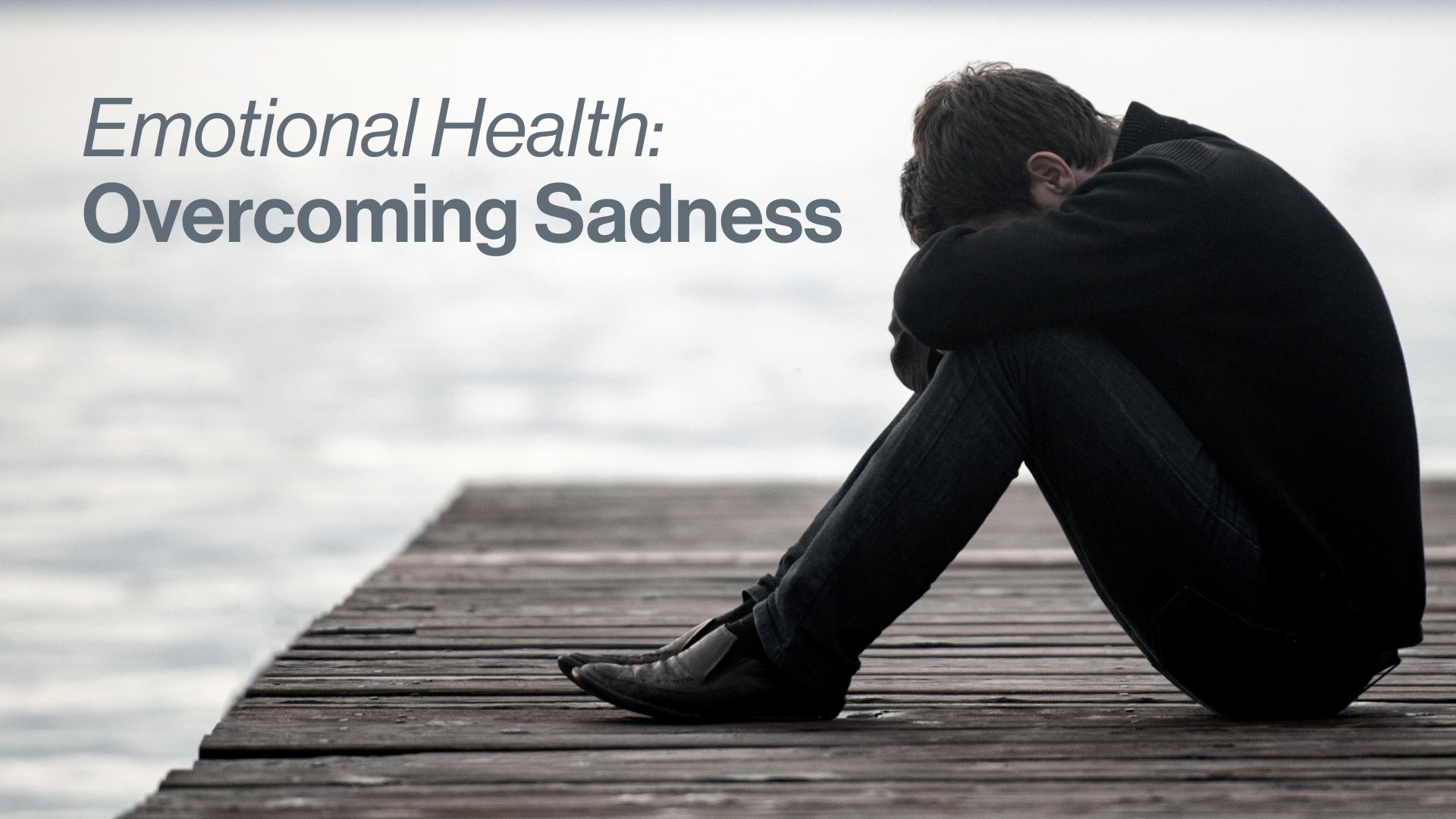
Sadness is an emotional alarm that something bad has happened. It’s temporary, and all of us will eventually deal with it in one of its many forms. But it doesn’t have to be for nothing. Our experience with sadness can introduce us to a view of God and His character that we may have missed otherwise. God doesn’t intend for these experiences to trap us in a cycle of pain and hopelessness. He wants us to cling to Him and use them as a moment to pause, reflect, and worship as He grows our faith and helps us learn more about His character.
Here are a few practical steps that can help us overcome sad feelings:
1. Remember God is with you.
We are not alone. When we realize that the presence of God is with us and available to help us, it will bring peace. Our sad feelings are often made worse, or at the very least prolonged, by isolation and fear. In Psalm 139, the psalmist declares that regardless of where you are, God is there.
- I can never escape from your Spirit! I can never get away from your presence! If I go up to heaven, you are there; if I go down to the grave, you are there. If I ride the wings of the morning, if I dwell by the farthest oceans, even there your hand will guide me, and your strength will support me. – Psalm 139:7-10
2. Talk to someone you trust.
Talking to others and inviting them to pray with us about our troubles is a great way to cope. When we express our feelings in words, we allow our brains to manage emotions more effectively. Hebrews 10:24–25 and Galatians 6:2 remind us of how important it is to come together and share the burden of life with other believers.
- Let us think of ways to motivate one another to acts of love and good works. And let us not neglect our meeting together, as some people do, but encourage one another, especially now that the day of his return is drawing near. – Hebrews 10:24-25
- Share each other’s burdens, and in this way obey the law of Christ. – Galatians 6:2
3. Praise God for the good things in your life.
Singing praise reminds us to focus on where God is present and at work in our hearts. It may seem odd but try it. Interesting fact: when you sing, the hormone Oxytocin is produced. This hormone makes us feel more trusting and closer to each other. Singing helps us move toward God and sense His presence among us. Psalm 59:16 puts it like this: “But as for me, I will sing about Your power; each morning I will sing with joy about Your unfailing love. For You have been my refuge, a place of safety when I am in distress.”
Life is an equal opportunity hardship dispenser, and the book of Ecclesiastes confirms that sad and hard times will come. All these things are part of being human. But because of Christ, we can go through life’s hard times knowing that God will help us and that better times are coming.
Dig Deeper
- Choose three songs that help you praise God and uplift your spirit. Listen to these songs and sing along if you know the lyrics.
- Read Psalm 139:1–18. How do these verses help you? Write down three ways you recognize that God is with you.
- What is God trying to teach you about Himself during this season of sadness?