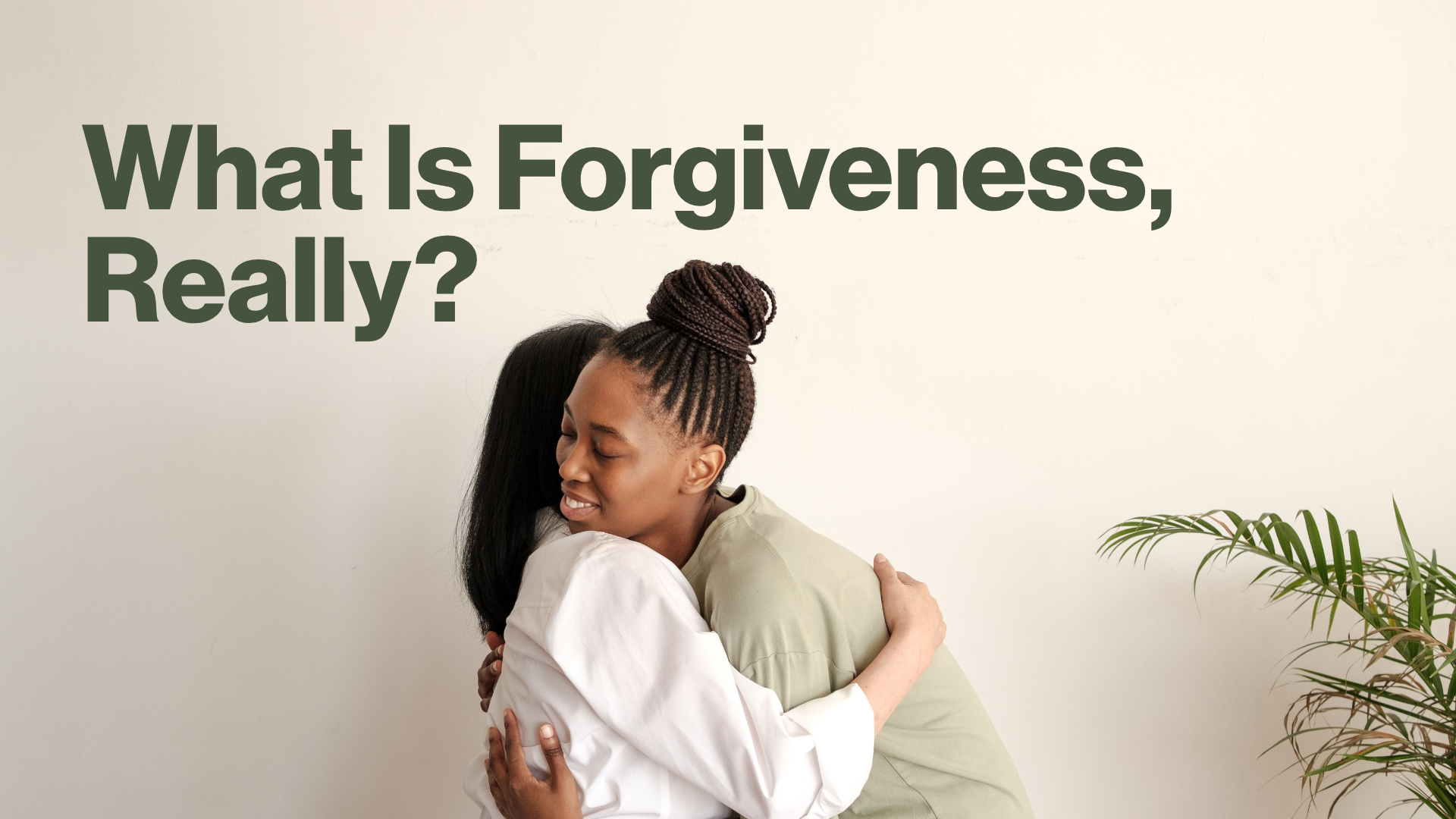
“But to you who are willing to listen, I say, love your enemies! Do good to those who hate you. Bless those who curse you. Pray for those who hurt you.” – Luke 6:27-28 NLT
When Someone Keeps Hurting You
Being hurt by someone else is never an easy experience, especially when it’s someone who repeatedly hurts you. Usually, these are the people who have a regular presence in your life. Whether this is by your choice (such as an acquaintance or friend), or is outside of your control (like a co-worker), the Bible gives us helpful advice on how we should respond when people continue to hurt you over and over again.
What Should I Do If I’m Being Abused?
If your situation is unsafe (such as physical, mental, emotional, or spiritual abuse), you should immediately remove yourself from the situation and let a trusted individual know what is going on. Especially in the event of abuse, it is important to get the proper authorities involved to ensure your safety. It is always permissible and encouraged to report abuse. Reporting another’s dangerous actions or words in no way comes in conflict with God’s call to love others with grace and mercy.
Find support through ministries like Called to Peace Ministries, who have professionals specifically trained to respond to and counsel through cases of abuse. In an emergency situation where you feel you or a loved one are in danger, immediately call emergency services at 911.
What Does the Bible Say?
In other circumstances outside of abuse, it’s important to know how the Bible calls us to respond to being hurt, through things like what kind of boundaries we should put up and what steps we can and should take moving forward to work on a better relationship (or in some cases, removing ourselves from certain relationships).
Let’s unpack one of the key verses that tells us how we should react to people who hurt us. It comes from one of Jesus’ teachings in the gospel of Luke. He says, “But to you who are willing to listen, I say, love your enemies! Do good to those who hate you. Bless those who curse you. Pray for those who hurt you” (Luke 6:27-28 NLT). From these two verses alone we discover five responses when dealing with hurt:
- As God to Work on Your Heart: Jesus starts by talking about our willingness to listen to His commands. If we ever hope to have a Christ-centered response to being hurt, we need the Spirit to soften our hearts in preparation for responding the way God calls us to. Because the reality is, being hurt makes us want to retaliate, or at the very least block people out. The following responses are going to flip that instinct on its head. But we’re going to need God’s grace and empowerment to do it.
- Love Your Enemies: Love is not an emotion; it is a choice. It is intentionally choosing kindness, compassion, care, and forgiveness when it is not deserved. This does not mean you accept the negative behavior. It is choosing to hope for the best for the one who hurt you and responding in a way that creates a pathway for them to get there. Just as God loved us in our sin yet did not condone it, we can love our enemies without supporting the acts that hurt us and others.
- Respond to Hate with Good: In the book of Proverbs (also quoted in Romans 12:20), we read this advice: “If your enemies are hungry, give them food to eat. If they are thirsty, give them water to drink. You will heap burning coals of shame on their heads, and the LORD will reward you” (Proverbs 25:21-22 NLT). The point of responding to hatred with good deeds is transformation. The idea of heaping coals onto someone’s head is not a metaphor for punitive judgment but speaks to a desire to see them recognize their behavior and make a change.
- Bless Those Who Curse You: A blessing was given as an act of goodwill––praying for the Lord’s goodness and favor to be poured out onto another. When others curse us (i.e. want the worst for us), we should respond by wanting the best for them. This doesn’t mean we want them to prosper in a worldly manner. As believers, we know the best treasure is found in a genuine relationship with Jesus. Blessing others is hoping they discover a profound, saving relationship with Jesus and enter into the process of sanctification.
- Pray for Those Who Hurt You: Coming to God to share our hearts, to intercede on behalf of the one who hurt us, and to ask the Lord to help us heal are all central to how we should respond to someone who keeps hurting us. This is also a great way to do all of the above, even when the best course of action is to end the relationship and create some separation. Just because you don’t see or talk to the person as much (or at all) doesn’t mean you can’t continue to respond like Jesus by praying for those who hurt you.
Whether it’s at home, at work, at church, or in our friend groups, being hurt by someone in our lives over and over isn’t a welcomed part of life. But we can make it an easier burden when we learn to respond like Christ. The Bible has plenty to say on how we should treat the ones who hurt us. By responding in the way the Bible tells us to, we can experience the heart of God on a deeper level.
Related Content: Sanctification