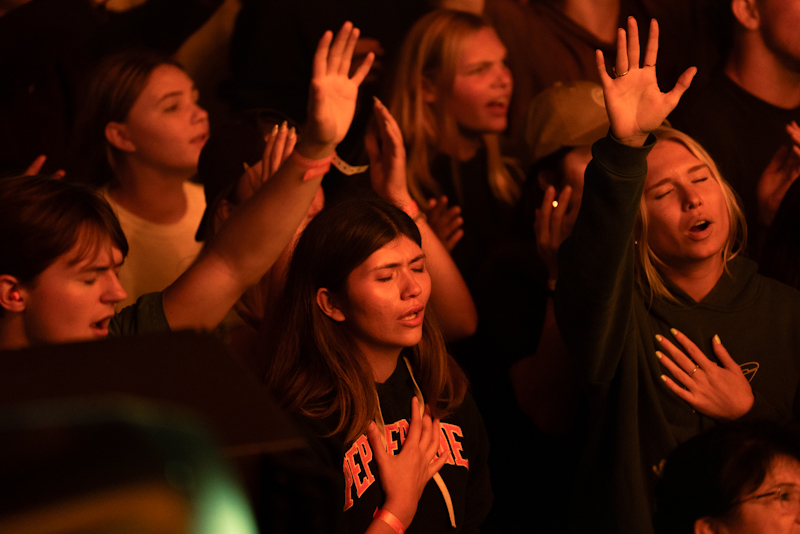
Gen Z wants to change how missions work, and they have specific ideas about how to make it better and get themselves engaged. According to new research conducted by InterVarsity for Urbana 25, young adults are taking a more thoughtful, critical approach to mission engagement than previous generations. For mission organizations and the global Church, this shift represents both a challenge and an opportunity to move beyond traditional models and align with a generation eager for purpose, partnership and measurable change.
Gen Z’s approach marks a turning point for the future of missions. Overall, respondents said local long-term sustainability, ensuring both spiritual and physical needs are met, that the call to serve is personal for their skills and faith journey and that communicating honestly and with transparency are vital. It is clear that this generation will not blindly step into just any mission opportunity that comes their way. They are more thoughtful about the organizations they serve with, how they fit into the big picture, and whether that organization's big picture is actually good for the communities they serve.
When asked about the biggest concern before committing to a mission trip, 27% prioritized one question above all others: Does the organization ensure effectiveness and avoid facilitating long-term dependency on outsiders? Gen Z sees short-term trips not as ends in themselves, but as tools that must serve a larger, long-term purpose. Where short-term missions once emphasized exposure and experience, Gen Z is demanding substance and proof that their involvement produces lasting benefit rather than dependency. They see this happening by engaging in authentic cross-cultural ministry that prioritizes relationship-building. This generation also believes that tangible aid and cultural understanding must go hand in hand. By prioritizing relationships and cultural understanding, they believe mission organizations can provide long-term solutions that lead to meaningful conversations about faith.
Gen Z often questions how their skillsets can make a meaningful difference, and they often evaluate opportunities by asking, “How does this fit my skills, faith journey, and professional goals?” InterVarsity wants to empower the future of missions by helping answer college students’ questions and addressing their doubts about their place in missions. At Urbana, the tri-annual conference hosted by InterVarsity, participants will learn what is happening in the Christian church globally and opportunities will be provided for students to discover their roles in missions. For the first time at Urbana, all of the students participating will be part of Gen Z. Urbana 25 is Dec. 28-31 in Phoenix, Arizona.
“Gen Z is challenging mission work to be honest, measurable and deeply impactful. InterVarsity is stepping into that challenge, and through Urbana 25, we are providing spaces for deep learning, honest dialogue and sustainable partnership,” said Greg Jao, senior assistant to the president of InterVarsity. “We want every student to see how they can be part of God’s global mission, and more importantly, we want to learn from them. After all, Gen Z is the future of missions.”
Sustainability Over Quick Fixes
The research reveals a generation skeptical of short-term mission trips and focused on long-term impact. When asked what meaningful cross-cultural ministry looks like:
- 34% said learning a language and culture to build authentic relationships
- 33% emphasized partnering with local organizations to build sustainable long-term impact
- 32% prioritized working collaboratively on supportive, diverse ministry teams
Gen Z views short-term mission trips as having less significant influence and as even being potentially counter-productive, unless they support long-term missionaries or integrate with ongoing efforts. The exception they see is the value of short-term trips for high schoolers to experience other cultures and develop global awareness.
Transparency Is Non-Negotiable
When Gen Z was asked what advice they'd give Christian mission agencies, their answers were clear:
- 43% said honesty and transparency about mission goals, challenges and impact were most important
- 43% also emphasized creating genuine community and belonging
- 39% urged organizations to understand Gen Z's values, perspectives and digital habits
Both/And, Not Either/Or
Gen Z overwhelmingly rejects the notion that missions must choose between meeting physical needs or spiritual needs. They believe effective missions must address both simultaneously, providing food, water, and shelter, while also focusing on evangelism and sustainable development. They see tangible aid as building the relationships and trust that open doors for spiritual conversations, but only when it is paired with deep cultural understanding of local customs and values.
Personal Calling Matters
Perhaps most significantly, Gen Z approaches missions with a pragmatic question: How does this fit my skills, faith journey, and professional goals?
This represents a shift from viewing mission work as a generic call to serve to seeing it as something affirmed through practical opportunity, mentorship and skills alignment. Gen Z views missions as relationship-driven rather than task-driven, valuing partnerships with local leaders and mentoring from experienced missionaries.
Power of Peer Testimonies
Peer testimony emerged as a major motivator in deciding to participate in missions. Gen Z respondents said they're particularly encouraged by hearing from peers who've gone on similar trips, especially when they share doubts, struggles and how they overcame them. This testimony makes missions feel relatable, authentic and achievable. Gen Z is also motivated by the testimonies of missionaries who share their experiences, including the hardships, while testimonies of those who were impacted by the mission work is inspiring to Gen Z.
While Gen Z acknowledges that mission work leads to profound spiritual and personal growth, they're clear that this potential benefit is typically less important than the primary goal of serving the communities that are intended to benefit from the mission.
Methodology
A series of online focus groups with a diverse Gen Z population from across the United States was conducted. Invitations were sent via various partnerships and over 150 young adults responded, with 114 of them successfully completing the entire survey. From those, 75 invitations were sent out to participate in online focus groups with 54 agreeing to participate in one of 13 focus groups. Analysis was conducted in three layers using research software, human coding by Arbor Research Group staff, and then a third check using AI-informed software. The three layers helped to triangulate analysis, eliminate bias or software error, and to guarantee accurate representation and insights. An additional element was the review of current missional resources (flyers, websites, and Facebook pages) used by missional organizations to communicate with Gen Z regarding mission opportunities.
About InterVarsity
InterVarsity is a campus community that helps students and faculty follow Jesus with their whole lives, for the rest of their lives. Established in 1941, InterVarsity includes more than 1,500 staff and reaches more than 60,000 students and faculty on nearly 700 college campuses nationwide. InterVarsity creates space for students and faculty to ask real questions, explore faith for themselves and apply biblical principles to issues in life.