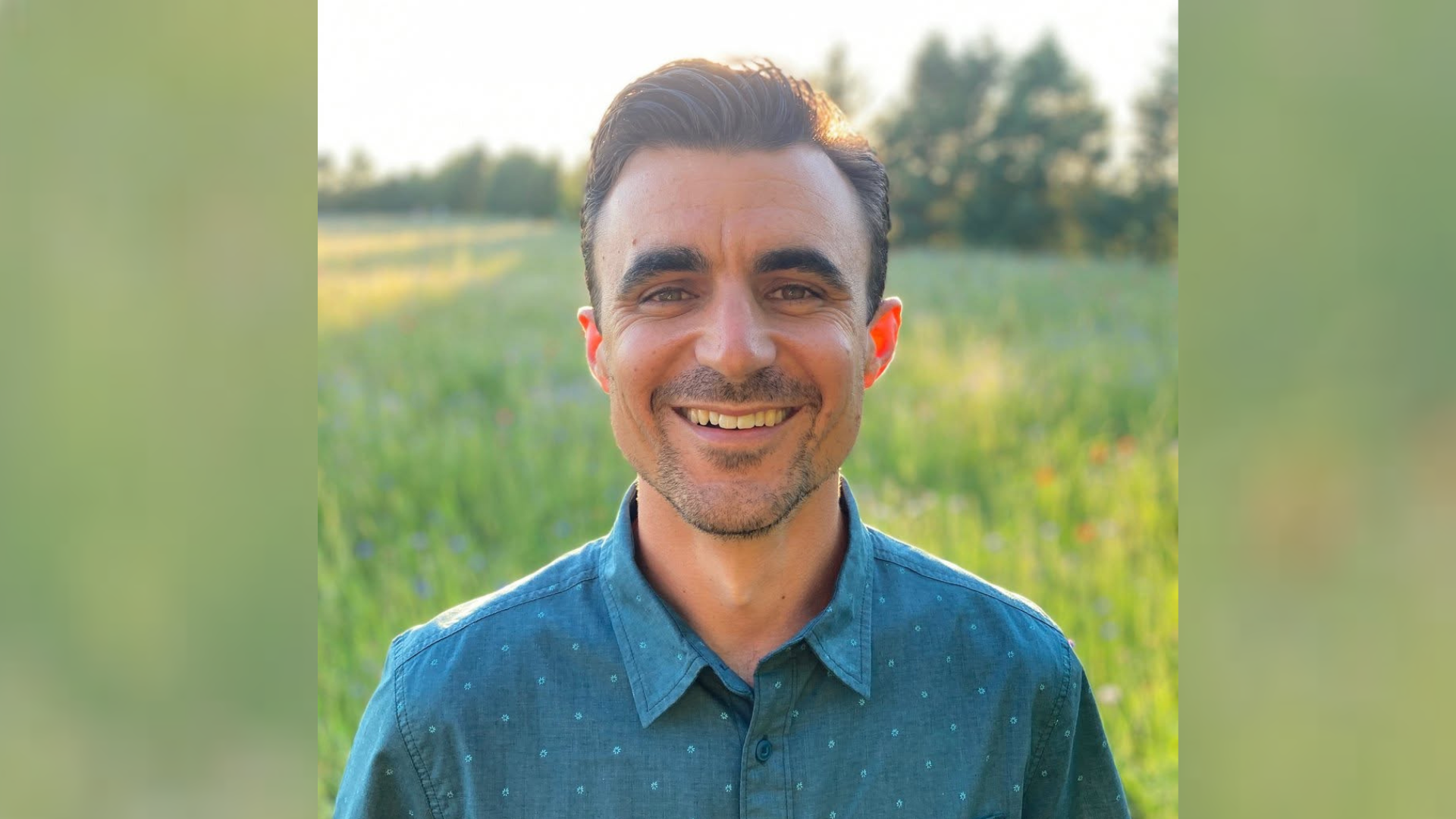
Brendan McClenahan walked through the garden with his grandfather, who prayed for the trees.
A fresh college graduate in 2009, McClenahan wrestled with his place in the world as it rapidly changed around him. His post-grad plans were tenuous as the headwinds of economic collapse blew.
What did he have to contribute to the world? What kind of job would allow him to do that? Were there even any jobs out there right now?
But as the whirlwind spun, McClenahan watched as his grandfather blessed the quiet blossoms. He listened as his elder detailed gifting a grumpy neighbor home-grown tomatoes until an opportunity was created to speak of Jesus.
His grandfather fed him in, and from that garden, McClenahan said, in more ways than one. A life of loving the outdoors and faith were suddenly unified. He promptly ripped up the patio bricks in his first apartment and started a garden.
Hear how McClenahan's experience of seeing ordinary faithful living in practice gave him a call to help American churches do the same in our full conversation:
“I remember thinking, I want to be like that,” McClenahan recalled.
“I want a faith that is rooted in my place that actually makes a difference. I didn’t have much money. I didn’t know what my future was going to look like, but I knew that I could actually partner with God in making something grow.”
McClenahan has plowed a few different fields, so to speak. He’s an ordained pastor, the founder of a marketing agency, started and runs a pastured poultry business, and has also used a Master of Music degree in a variety of ways.
The California native now serves as the Church Engagement Manager for Plant with Purpose, a San Diego-based nonprofit that works to combat global poverty through community-based environmental care and Gospel restoration.
McClenahan is the co-creator and director of Tend, a free 10-week course for churches that enables faith communities to integrate the care of creation into their discipleship and outreach.
He and others help local churches answer the how and why behind stewarding God’s creation as a community of believers.
“God cares about the earth. From Genesis to Revelation, you see this beautiful arc of God creating a beautiful world and he calls it good... When we love God, we love people and we love creation, you can’t really separate these things out,” McClenahan explained.
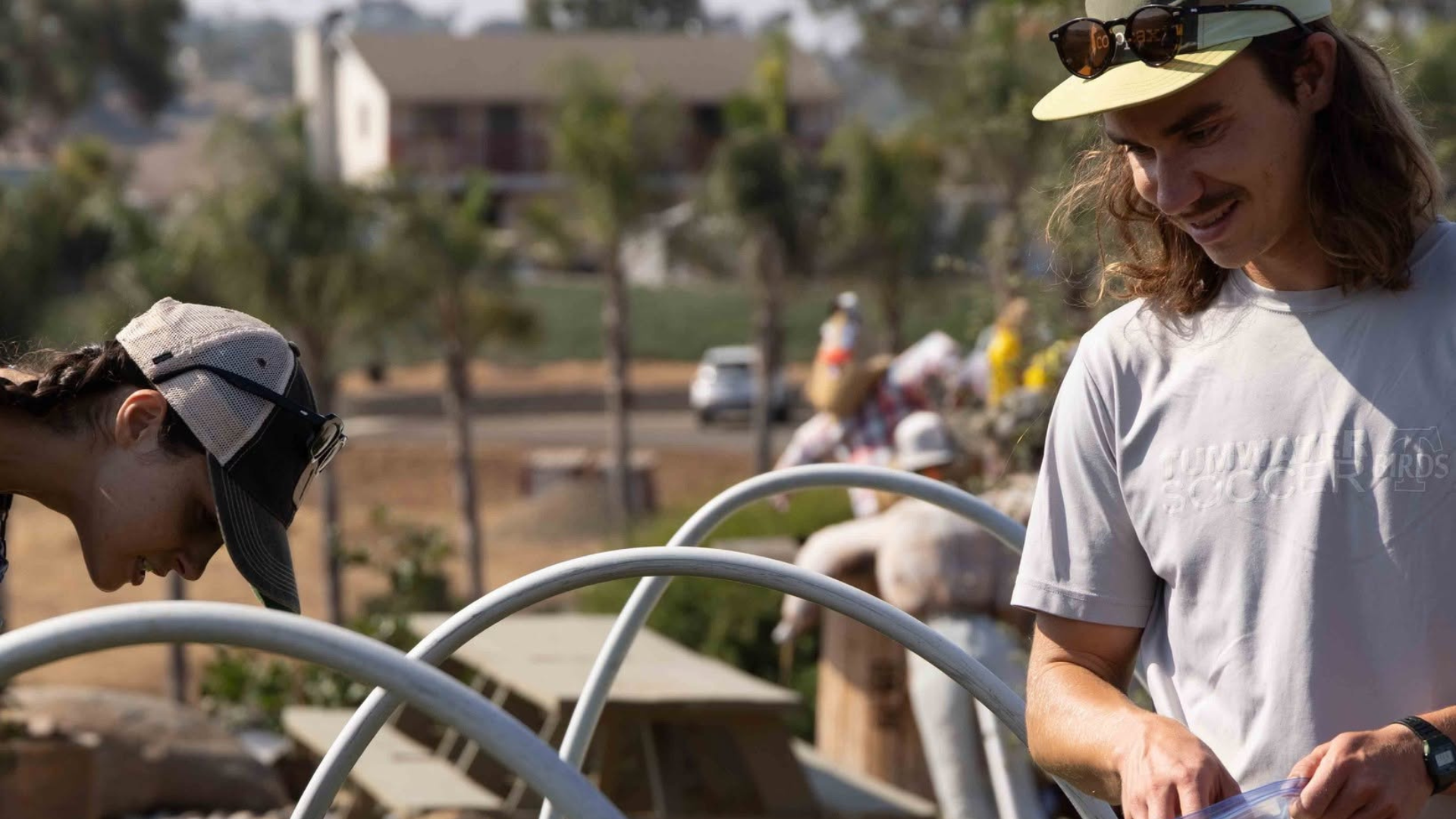
The work can be a challenge, as often local churches leave physical stewardship of creation out of their mission statements, be it to avoid a perception of controversy, a lack of resources, or a lack of direction.
There are indeed many individuals inside the churches that do have a heart for environmental stewardship, which McClenahan sees as the opportunity.
The mission is to translate physical care of the earth from an individual faith practice to that of a community, one that has the potential to create a more vibrant and enriched life for those involved.
“There’s a missing element of, ‘How do we actually practice our faith in tangible ways?’ And when we add back in the fact that we are part of God’s creation, we are connected to it and we have a role to play in it. It automatically unlocks something in our faith and in practicing faith that churches are really hungry for,” McClenahan said.
Tend is designed to equip local churches to answer God’s call to be good stewards of his creation.
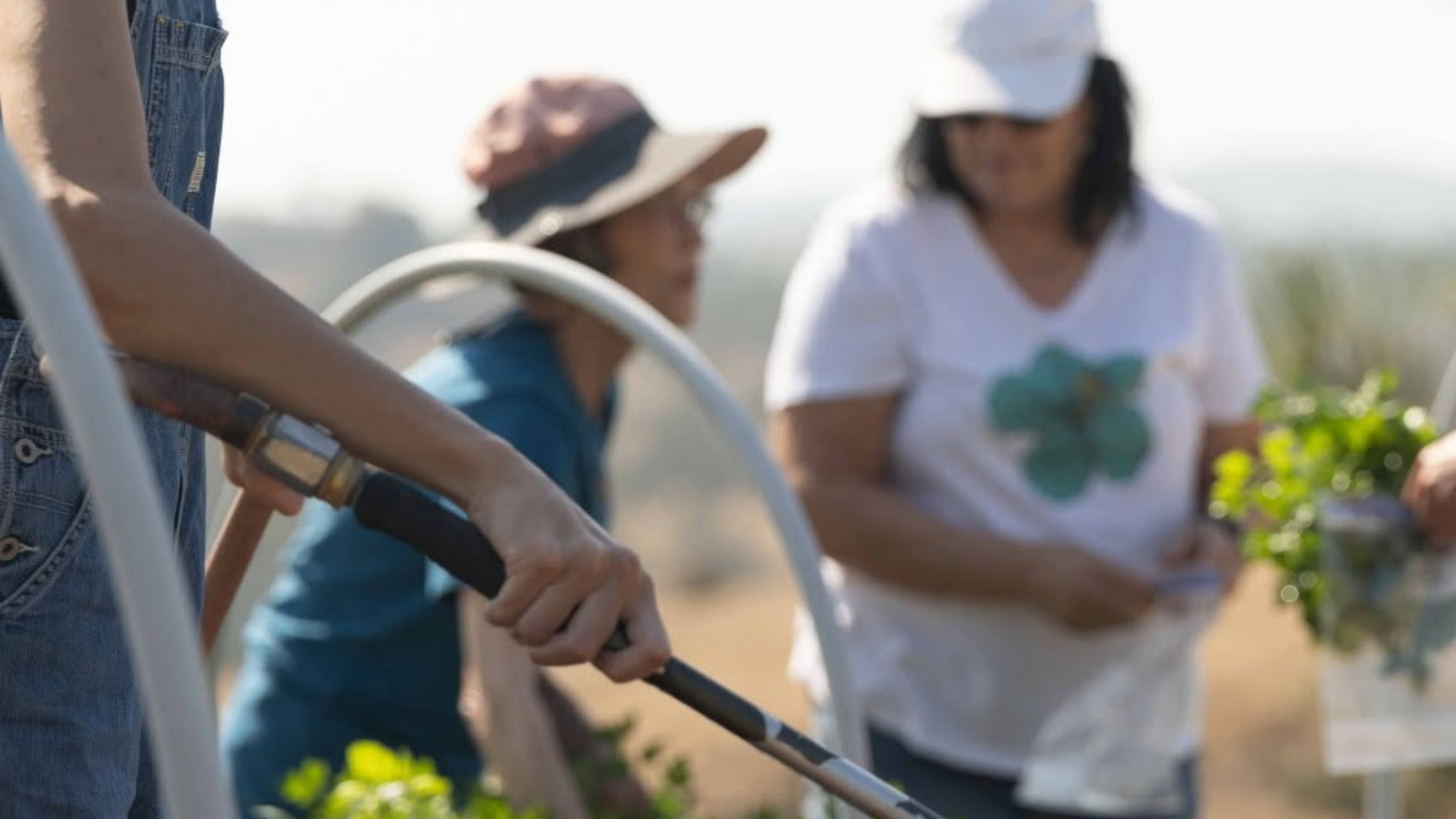
The course guides them for a 10-week stretch in discipleship, formation around home-cooked meals, and helps them apply restorative practices with each other, leading to friendship, meaningful engagement with community, and sharing the Gospel in natural ways.
Plant With Purpose’s mission of breaking the cycle of poverty and restoring hope in international areas of need is applied locally with Tend. Often, instead of financial crisis, poverty in American communities is often relational. Tend works as a tool to set and deepen formerly shallow roots.
One such example took place in the historically embattled Los Angeles neighborhood of Compton. A local church started a community garden to grow produce for a local food pantry, but the weeds won. McClenahan says it eventually became a source of shame and a reminder of failure.
But a member named Kristen used Tend to build and lead a group to restore the garden, making it a place of deepening spiritual life and community engagement. Now, the garden is an engine of discipleship.
“It’s not just dirt anymore. It’s a garden where the kingdom of God is being revealed,” McClenahan said.
“That’s what we want to help people do... To go, ‘This project of following Jesus that I thought I had to do by myself and feeling guilty like I’m not doing enough to serve my neighbors or change the world, I can actually do that in really low key, practical ways with other disciples and we can create a rhythm of life together and be part of God’s restoration in the world.”
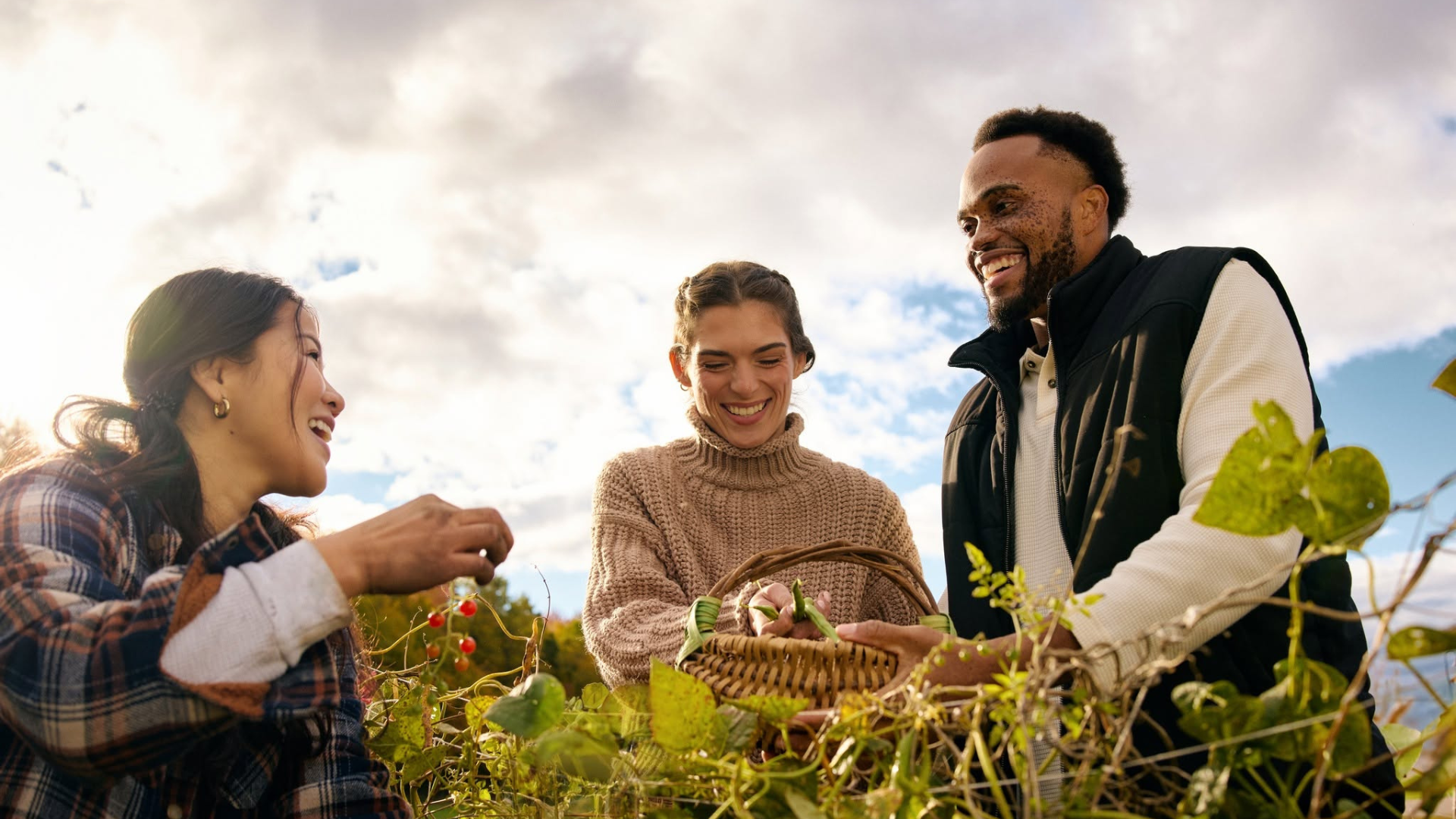
It’s an easy entry point into participating in the world that was meant to be, and that will be. Away from screens, from isolation, and from disrepair.
“We can trust God that as we walk with God and each other and practice habits of renewal and we do that together, we can actually see some healing happening,” McClenahan said.
“You may not be able to fix everything, but for me and my house, this is something we can do. And in doing that, we can experience a level of healing that we need as a family, as a neighborhood, as a community, as a church.”
To learn more about Tend or to create a free account, click here. Learn more about the work of Plant with Purpose on their website.