
When Hurricane Helene tore through western North Carolina in September 2024, Mike and Michele Toberer had no plans to start a nonprofit. They simply saw a need and believed God had equipped them to help.
Click Here For Our 2024 Interview With Michele Toberer
The Toberers, who had worked with mules for years, loaded their animals and headed into the mountains. What began as an effort to reach isolated neighbors became the foundation for Mission Mules, a Christian disaster-relief ministry dedicated to bringing practical help and hope to communities that traditional relief efforts cannot easily reach.
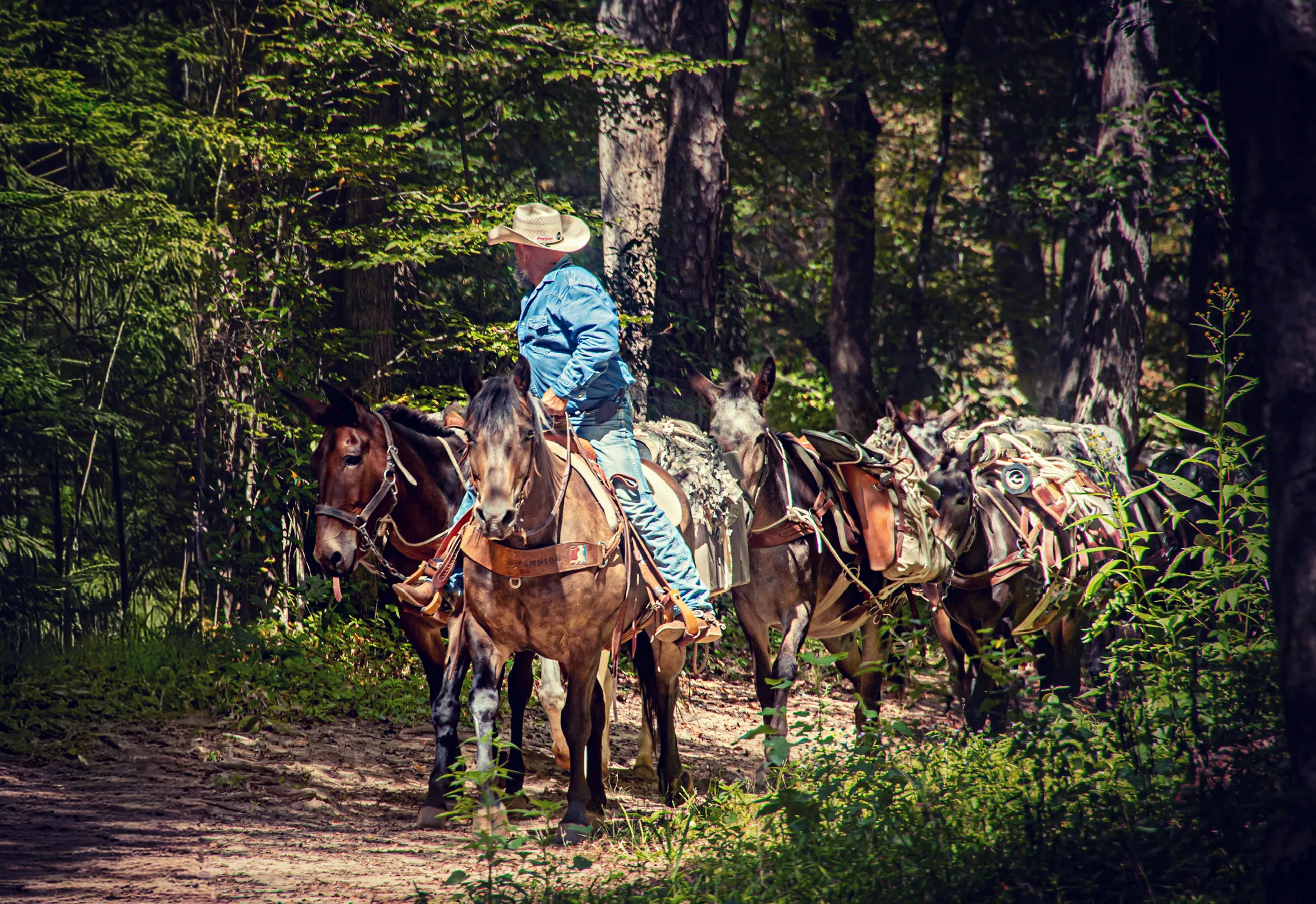
At the time, the Toberers were known as Mountain Mule Packers. Mike had experience working in the Sierra Nevada Mountains and later moved to North Carolina to work with the military and train special forces. When Helene struck, a planned training exercise with some Marines was canceled, leaving Mike and his mules ready to go.
Their first mission took them to Montreat, North Carolina, where they delivered insulin and ice to residents who had lost power and could no longer safely store medication.
Then the calls began.
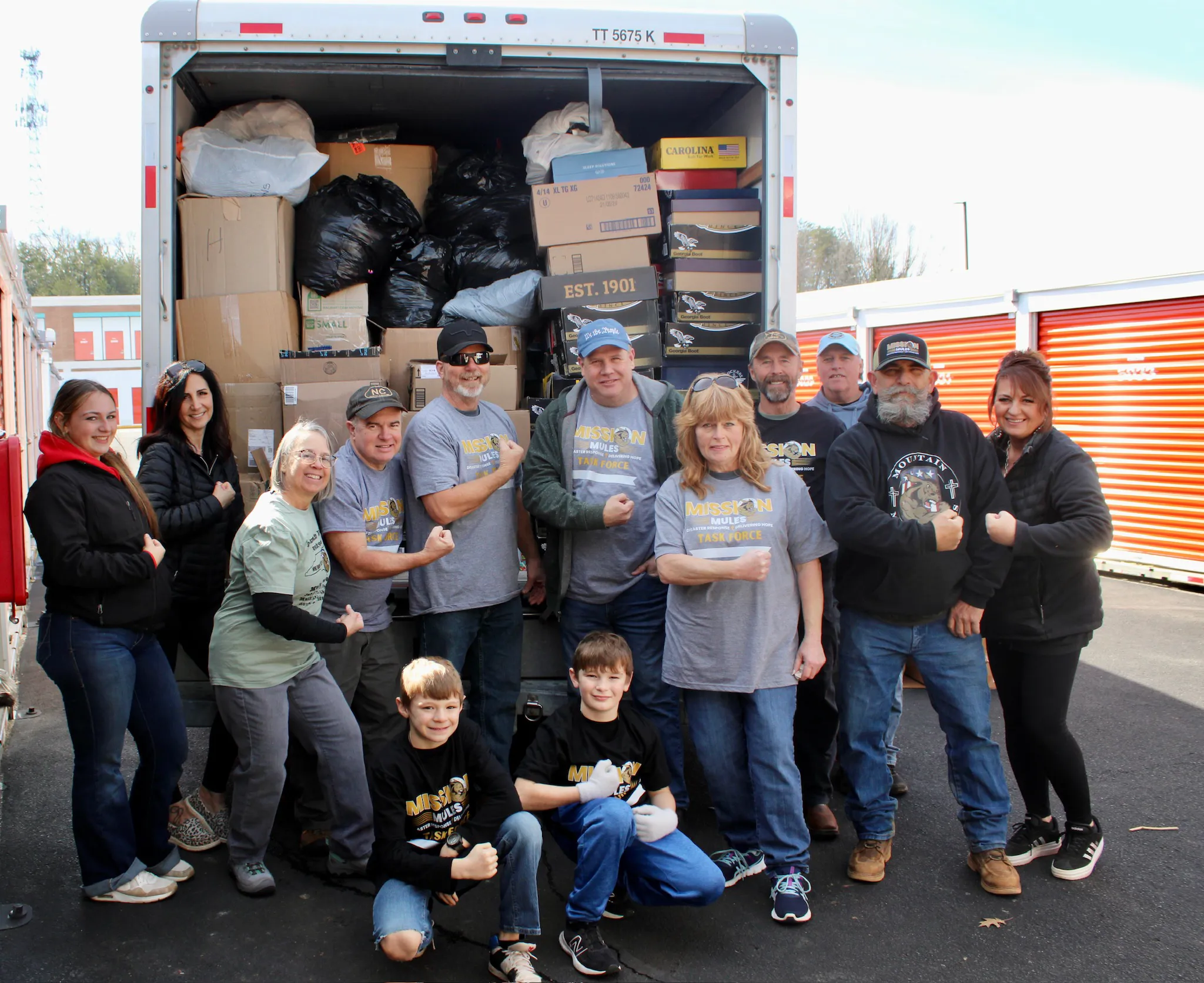
Michele posted online that the team was heading into the mountains and asked people to share information about anyone who needed help. The response quickly grew to thousands of messages. Some people needed supplies. Others had not heard from family members for days.
The Toberers say they repeatedly saw what they describe as “God Stories” — moments when the right person, resource or opportunity appeared at exactly the right time.
One of those stories involved an 85-year-old woman living at the end of a mountain power line. When the Toberers reached her home, they found a tree blocking the door. After clearing a path, they delivered supplies and learned her family had lived in the mountains for generations. Rather than focus on her own needs, she worried about relatives on the other side of the mountain.
For the Toberers, those encounters demonstrate that disaster relief is about more than supplies.
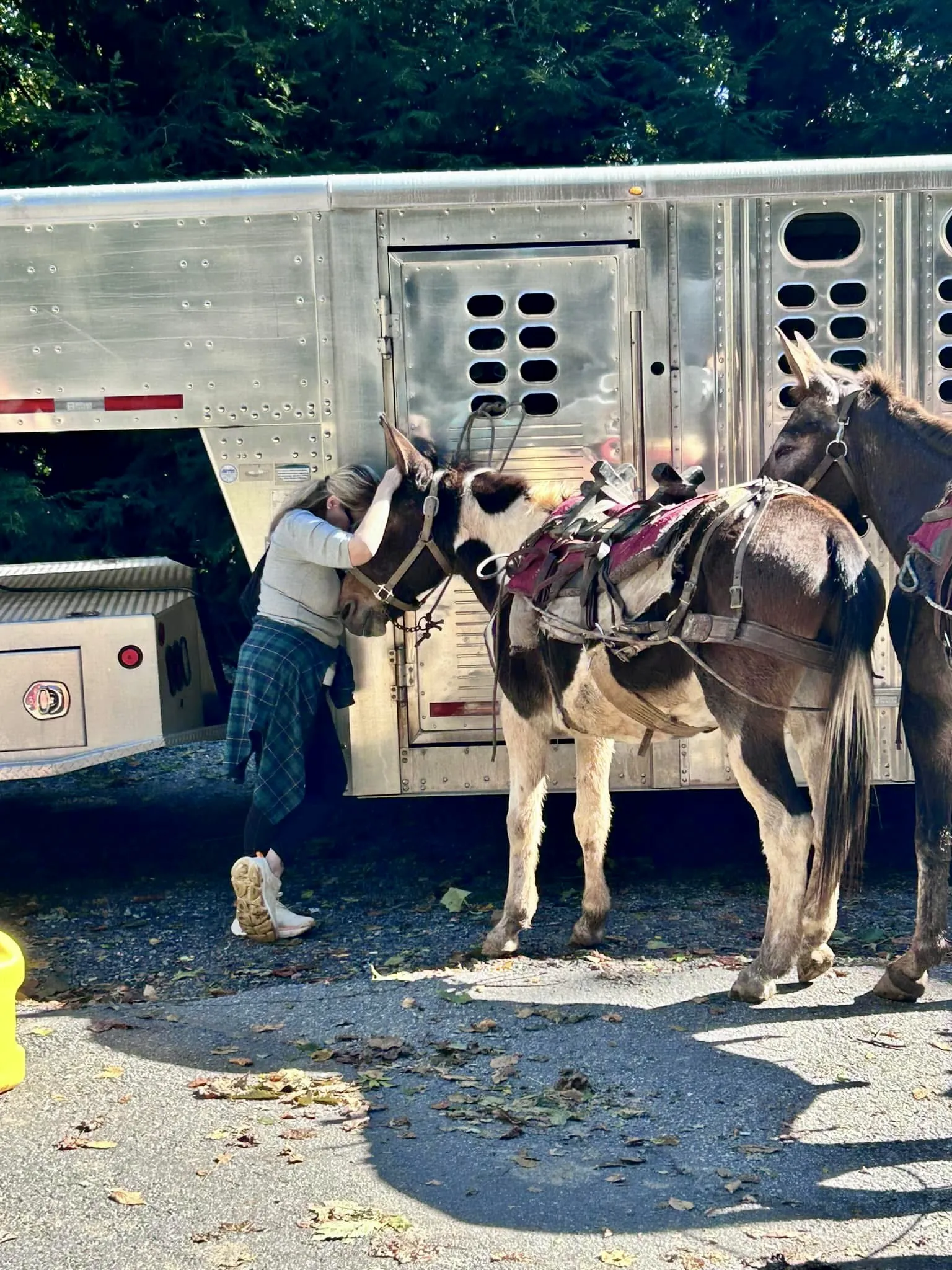
That became especially clear after the family lost three animals in an accident. Just as they began questioning whether their ministry should continue, Samaritan’s Purse and supporters from across the country stepped in to help replace the animals. Children sent handwritten notes. Others prayed and offered encouragement.
“We just looked at each other and said, ‘I don’t think God’s done yet,’” Michele said.
Since Helene, Mission Mules has responded in communities across several states, using mules to carry supplies into areas inaccessible by vehicles. The ministry also has expanded its reach internationally.
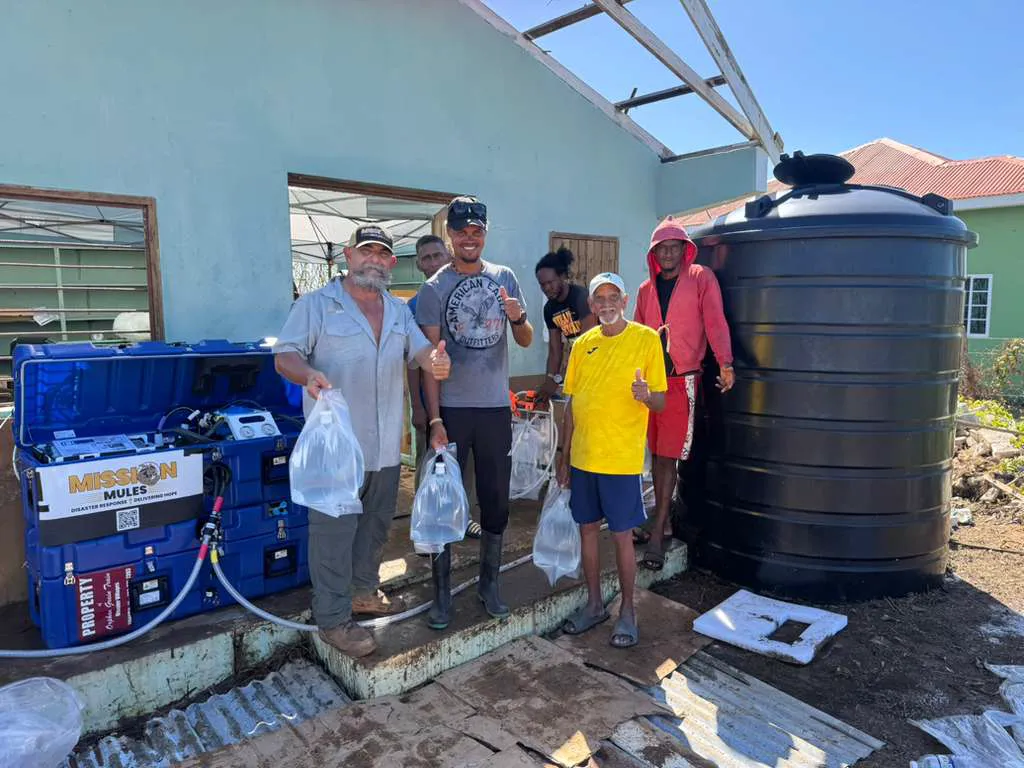
In Jamaica, the Toberers helped transport and install a high-volume desalination system following devastating flooding and saltwater contamination. The machine produced about 1,600 gallons of clean water its first day and eventually reached about 2,200 gallons a day. It continues to be moved to different communities as water systems are restored.
The ministry’s impact also extends beyond disaster zones. Volunteers, supporters and people who adopt Mission Mules animals often find their own faith strengthened through the work.
One volunteer, Michele said, put it simply: She did not know how to pack a mule or have the resources to solve everyone’s problems, but she could do what she could.
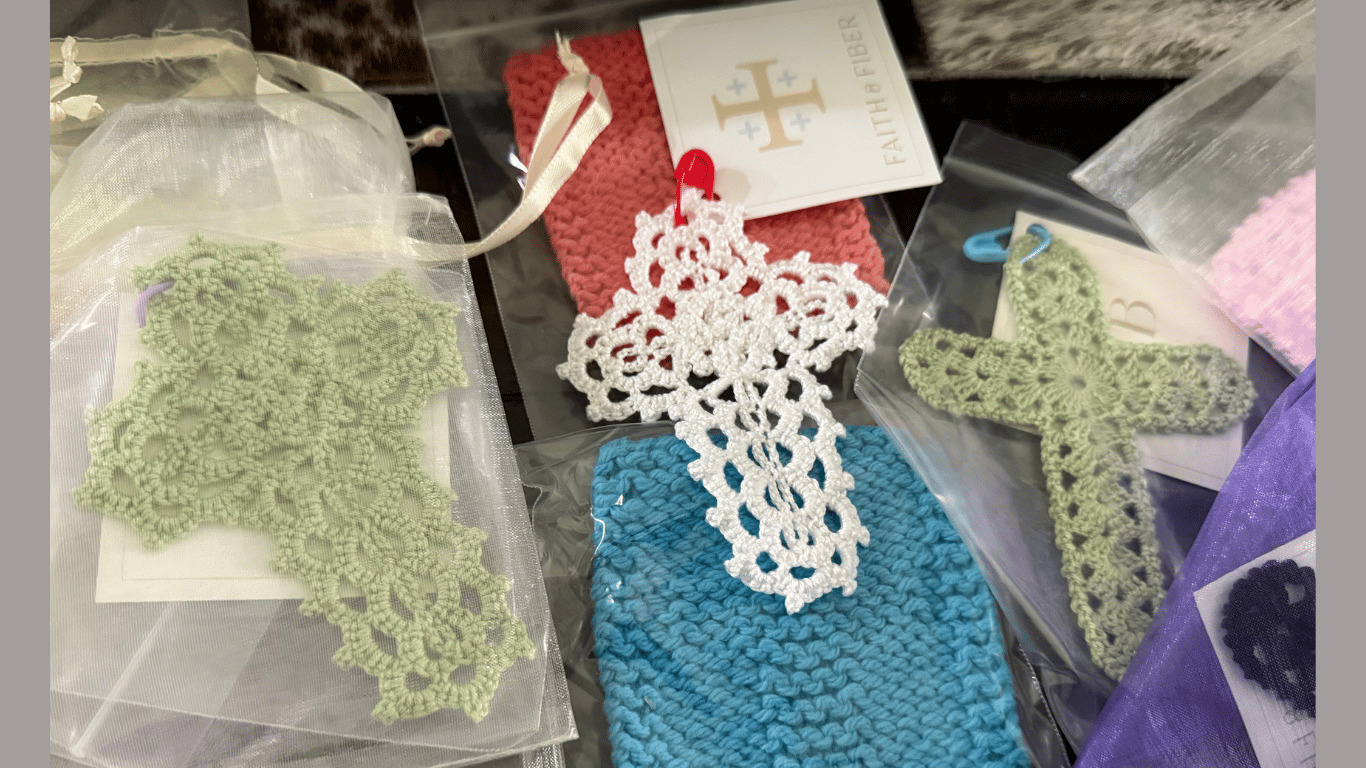
Another volunteer, Betty from Louisiana, crochets prayer crosses that are delivered to disaster victims.
Michele shared "She said through doing it, it's given her more purpose and feeling like she can still contribute, and it's also brought her walk with God so much closer."
Today, the Toberers are building a more organized response model, including assessment teams that can reach disaster areas quickly, gather information and direct mule teams where they are most needed. They also envision veteran programs, senior and youth experiences with the mules, and continued international water-relief efforts.
Through it all, the Toberers say they remain focused on the same calling that began during Helene — following God’s direction, meeting people in their greatest moments of need and reminding them they are not alone.

Sometimes that means delivering medicine or clean water.
Sometimes it means clearing a path.
And sometimes, it simply means bringing a mule into a dark place and giving someone a reason to smile.