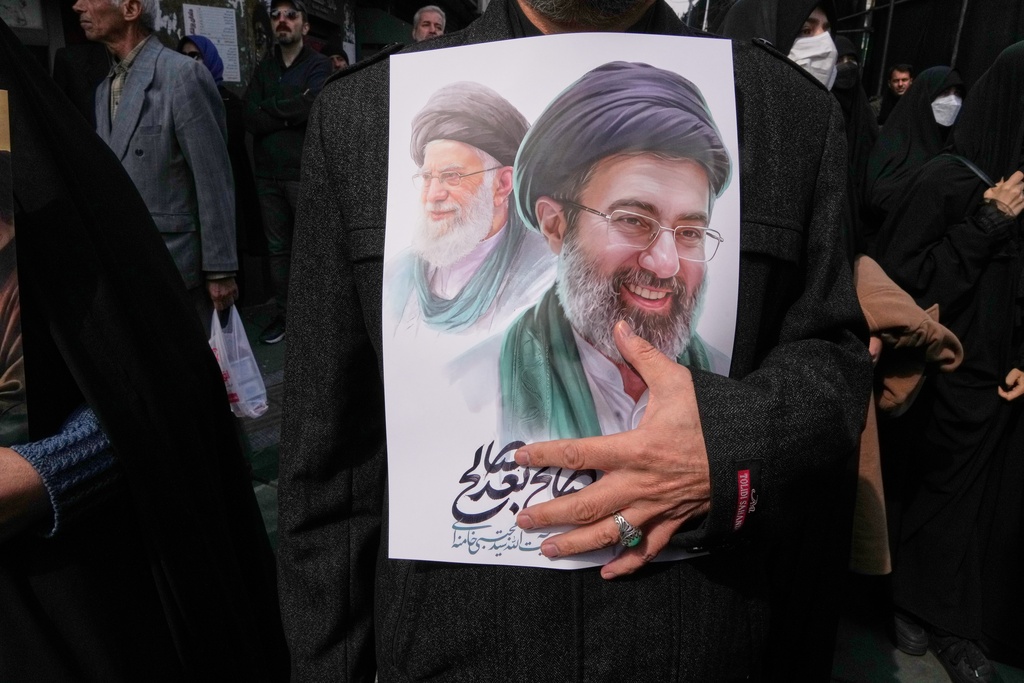
Iranian state television’s English-language broadcaster quoted an anonymous official on Wednesday saying that Iran had rejected America’s 15-point ceasefire proposal.
Pakistani officials described the proposal broadly as touching on sanctions relief, civilian nuclear cooperation, a rollback of Iran’s nuclear program, monitoring by the International Atomic Energy Agency, missile limits and access for shipping through the Strait of Hormuz, the narrow mouth of the Persian Gulf.
The Trump administration reportedly offered the plan to Iran as the U.S. appears to seek an end to the war even while more troops head to the Middle East. At least 1,000 troops from the 82nd Airborne Division will be sent to the Mideast in the coming days, three people with knowledge of the plans told The Associated Press. The Pentagon is also in the process of deploying two Marine units that will add about 5,000 Marines and thousands of sailors to the region.
Iran dismisses US ceasefire plan and issues a counterproposal as strikes land across the Mideast
Iran’s defiance came as Israel launched airstrikes on Tehran and Washington deployed paratroopers and more Marines to the region.
Iranian state television’s English-language broadcaster, Press TV, quoted an anonymous official as saying Iran rejected America’s ceasefire proposal. Press TV’s report came after Pakistan transmitted the proposal to Iran.
“Iran will end the war when it decides to do so and when its own conditions are met,” Press TV quoted the official as saying. The official added Tehran will continue its “heavy blows” across the Mideast.
Press TV, like all of state TV channels controlled by hard-liners, offered its own five-point plan from the official who rejected the US proposal.
It included a halt to killings of its officials, means to make sure no other war is waged against it, reparations for the war, the end of hostilities and Iran’s “exercise of sovereignty over the Strait of Hormuz.”
Those measures, particularly reparations and its continued chokehold over the Strait of Hormuz, likely will be unacceptable to the White House as energy supplies worldwide remain affected by the war.