
17 years ago, Pastor Chris Harris, Sr. began gathering his South Side Chicago neighbors to pray for their local schools. The effort has rapidly grown into one of the city’s most robust community service organizations.
As the pastor of Bright Star Church Chicago, Harris, Sr. had long felt the call toward community renewal in his hometown, particularly in his native Southside neighborhood of Bronzeville.
The seed bore fruit in the form of Bright Star Community Outreach in 2009, a direct response to community members asking for more practical services.
Deep-rooted trauma, a growing violence problem, and a fractured system meant a mountainous challenge. The task was and has been multi-faceted, holistic service to the 3rd and 4th wards of Chicago’s South Side.
“We are bringing together not just a group of people, but really a network of people that have relationships,” LaKreshia Kindred, Bright Star Community Outreach’s executive director, explained. “It is... organizations and individuals who are coming together that really care about building up not only the greater Bronzeville area, but the city of Chicago.”
It starts and ends with community, and the Bronzeville neighborhood has experienced real renewal. Bright Star's impact compounds, Edwards explained, because they are enabling neighbors to partner with each other for lasting change.
“You can have a neighborhood, you can have folks living together, but lack a sense of belonging. We really provide a place and a space where people actually feel like they belong and can make a difference and care about what happens in their area,” Edwards said.
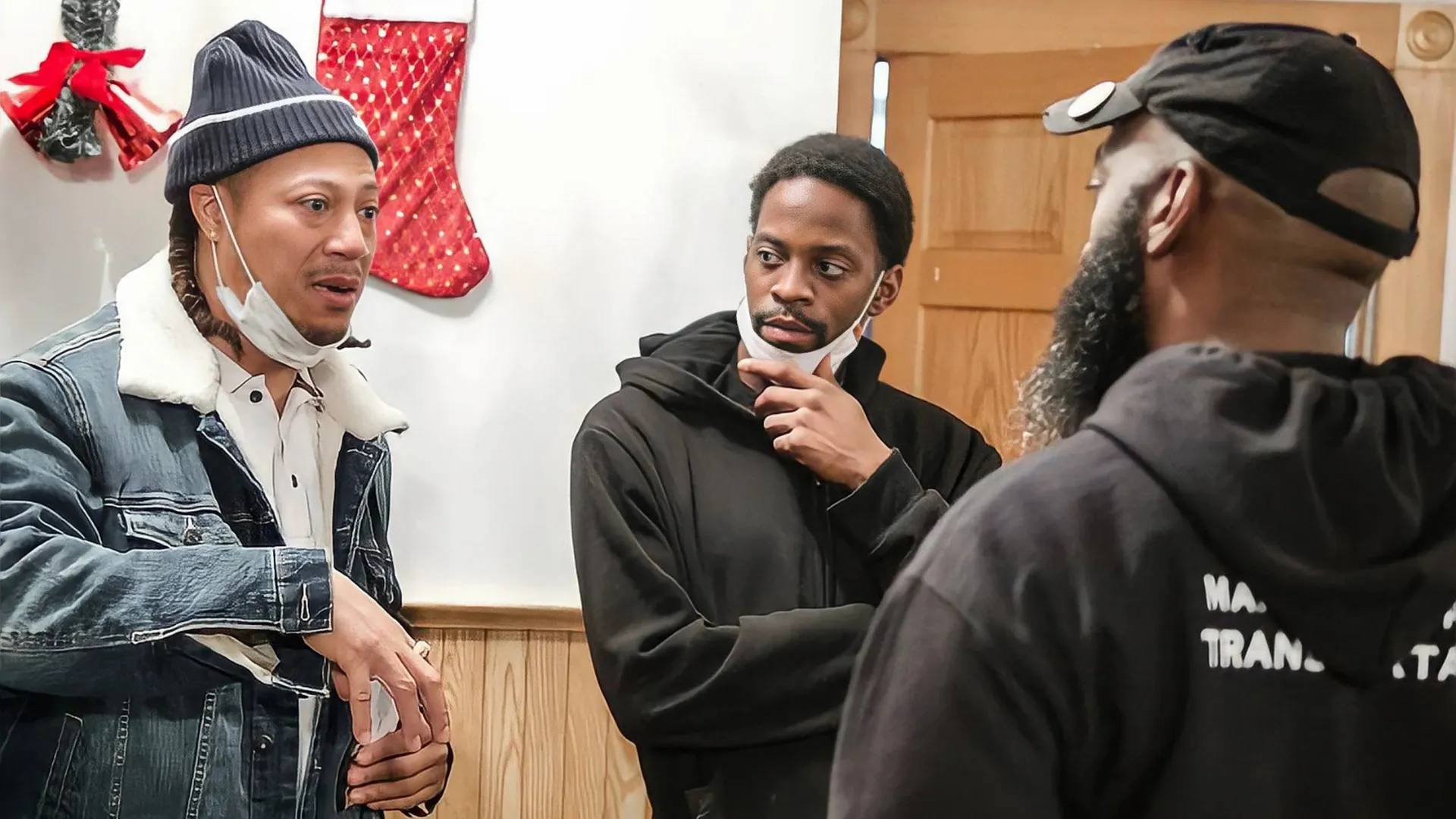
Bright Star Community Outreach works diligently to collect data on the specific needs of the community, analyzing the findings and building services that address root causes and bring about long-term solutions.
Kindred says the organization primarily functions as a social services provider, offering Bronzeville residents workforce development resources, educational needs, health and wellness support, behavioral health solutions, and more.
The organization is also a convener, as Kindred described, pulling together the resources, services, and tools of more than 70 community partners, along with its own, to offer a sweeping, complementary network of services.
In 2020, leaders felt that a new wing of service was needed. The people were being served in many ways, but their “places” required a new focus. Bright Star Community Development Corporation (CDC) was formed. The idea was economic renewal without removal of what makes Bronzeville what it is.
Revitalization without erasure.
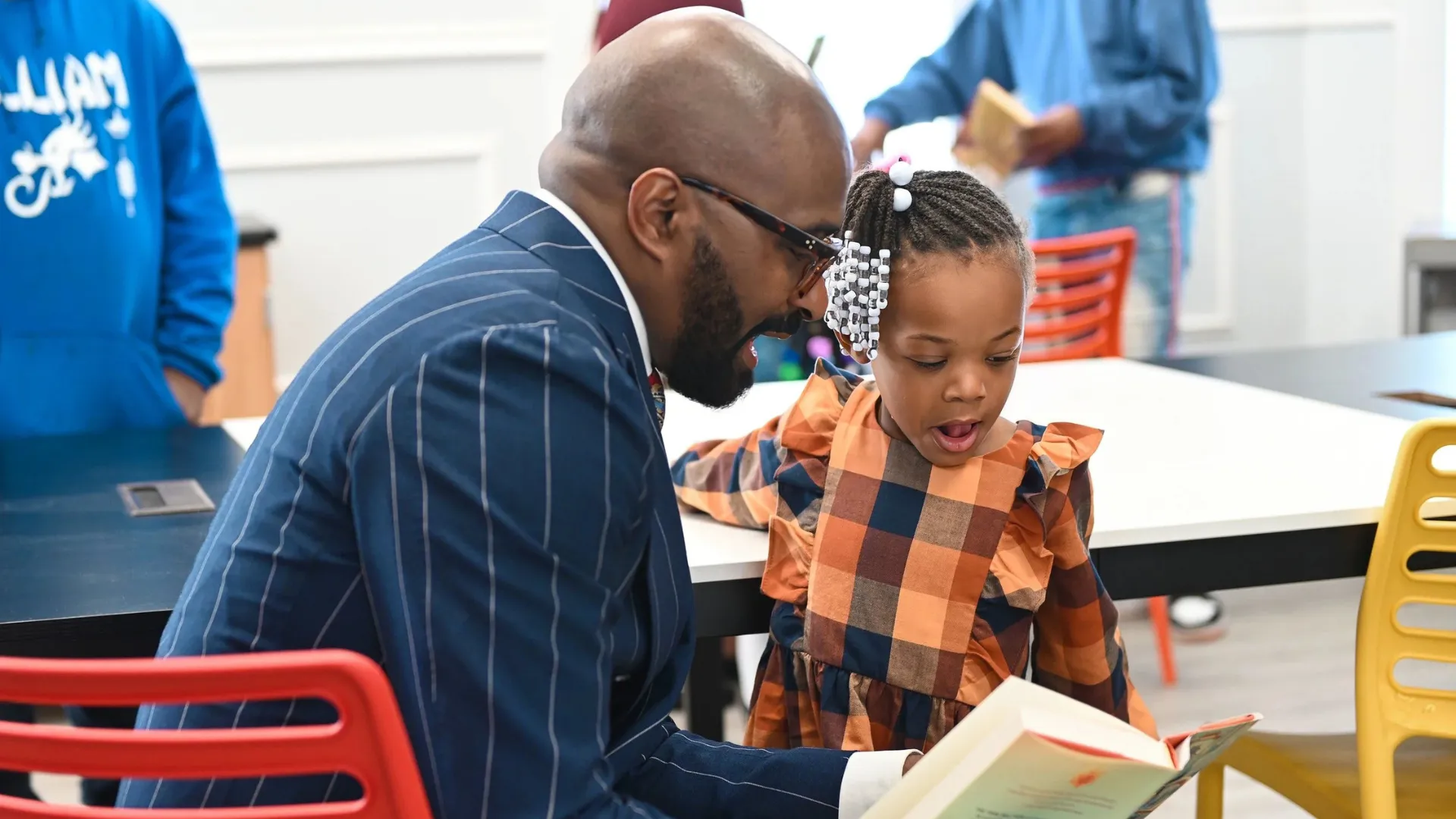
Bright Star CDC wields a four-pronged approach to building flourishing places: revitalize, rejuvenate, reconnect, and reinvest.
“We’re building buildings, or renovating buildings, in the area to provide the places that meet the needs of the community,” Caryl West, Bright Star CDC executive director, said.
The primary points of service for the community development effort are economic development, affordable housing, financial stability, entrepreneurial training, and business development.
Examples include operating a 260-bed shelter, renovating and repurposing dilapidated structures, and providing workforce development training to enable sustainable employment.
The impact is measurable on both sides of Bright Star’s work.
More than 70,000 people across Chicagoland have been supported in some way over the last 17 years. In the neighborhoods where Bright Star works, robberies have dropped 14%, assaults have decreased by 10%, and shootings have been reduced by 17%, compared to other similar Chicago neighborhoods.
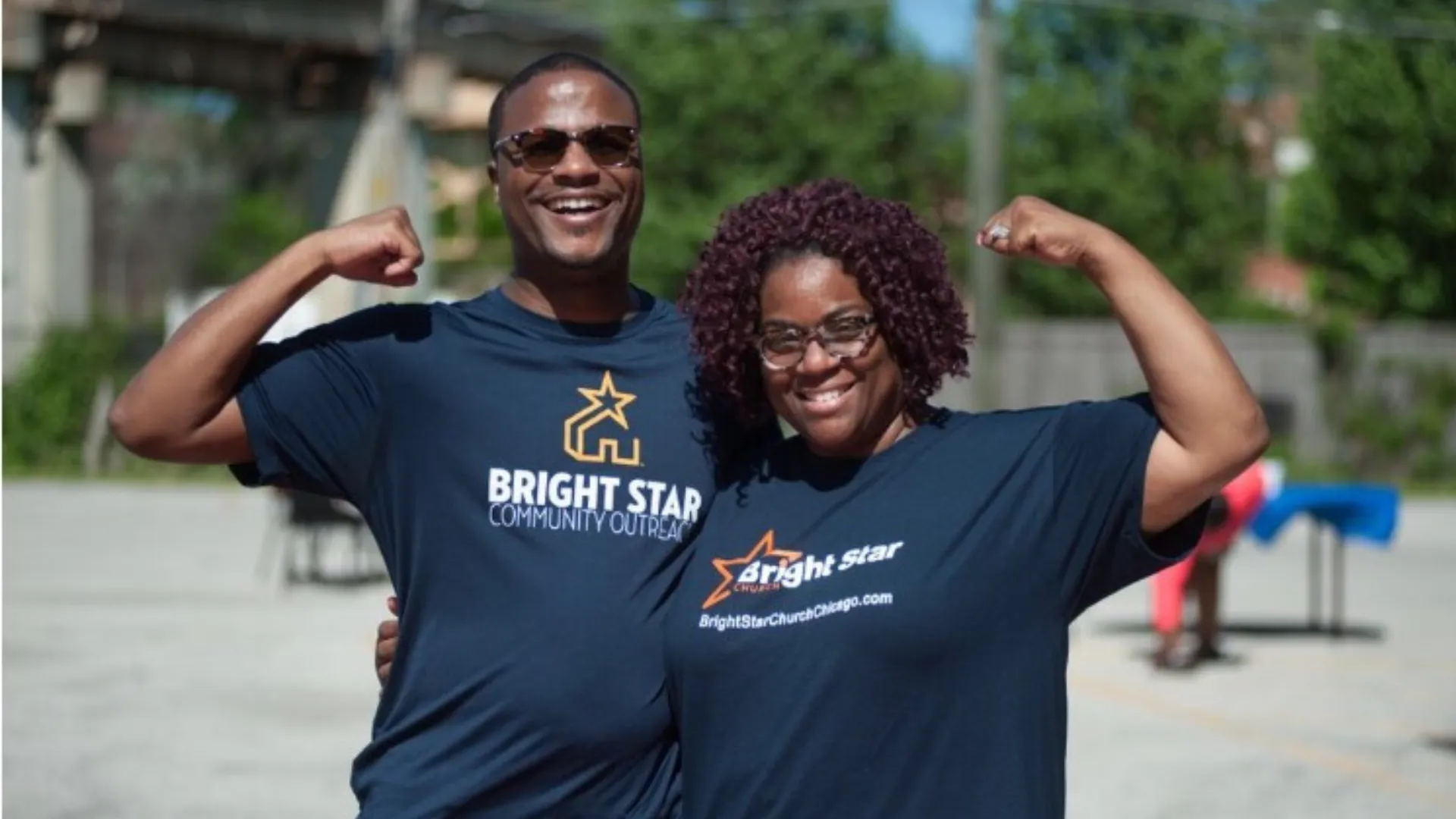
“It is worthwhile work that we’re doing, because we are making an impact in improving the space in Chicago – making it safer,” Edwards said. “And I know that if we continue this work, we will continue to see those numbers decrease as well.”
The work is as comprehensive and multifaceted as it can be, but West also pointed out that Bright Star cannot possibly solve every problem in South Side. Even with dozens of partners, the work can often feel like a Sisyphean task.
But, even in the daily push against the boulder of community needs that sometimes might feel immovable, Bright Star and its leaders remain faithful to the task because of a strength beyond their own.
“Our faith helps us, because there are moments where we’re like, ‘How is this going to happen?’ We’ve seen a lot of changes recently in the philanthropic world,” West said.
“We just keep our faith, and it all seems to work out. Our faith also sustains us to ensure that we continue to do the work.”
Learn more about Bright Star Community Outreach here, or Bright Star Community Development Corporation here.