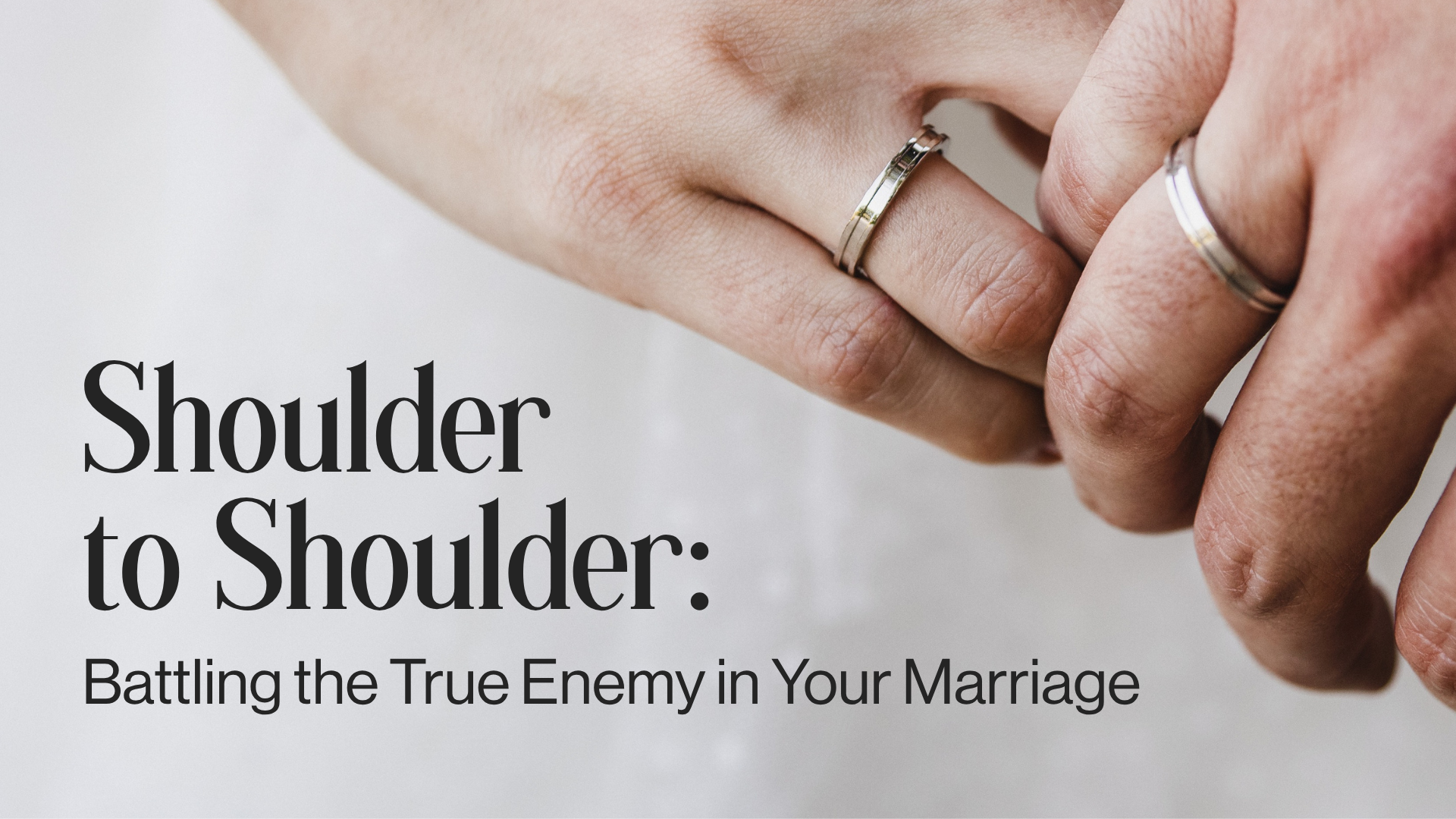
Marriage can be beautiful. But let’s be honest, it can also be messy. And one of the biggest challenges can be navigating emotions with your spouse.
One spouse might feel things intensely and express them freely, while the other might be more logical, wanting to “fix” or move past feelings quickly. Sound familiar? The good news is that God created emotions on purpose and with a purpose. Emotions are not the enemy. They are expressions of the heart, designed to draw us closer to Him and to each other when handled with grace.
Emotions are like toddlers in the car: We should acknowledge them, but not let them drive. They’re not right or wrong, good or bad; they just are. God gave us both a heart (the seat of emotions) and a brain (for wisdom and decision-making). When we bring the two together under His leadership, we make healthier choices and can build stronger intimacy with our partner.
The Bible is full of raw emotion. David pours out lament, joy, anger, and fear in the Psalms. Jesus Himself wept with those who were grieving Lazarus, even though He knew He would raise him from the dead (John 11:35). He didn’t rush to fix what His friends and followers were feeling. He showed up with compassion, understanding, and sympathy. It was only after He shared their emotions that He shifted to addressing the problem. And, as in all things, Jesus is our model: First, show we care, then problem-solve.
When emotions run high, we don’t have to rely on our own strength. We can invite Him in and ask Him to reveal why we’re feeling hurt, stressed, angry, or sad. He always cares, and He sees us fully. When we anchor in His truth, emotions lose their power to control us. We stop reacting to the “loud, booming voice” of frustration and peek behind the curtain to see what’s really going on, revealing fear, disappointment, or loneliness. This dependence on God keeps our hearts open and our marriage safe.
During conflict especially, emotions can flood our senses, and we instinctively go into fight, flight, or freeze. Our blood rushes from clear thinking to survival mode. And that’s when wise couples pause. “Be angry and do not sin” (Ephesians 4:26 ESV) means we should feel our emotions fully, but don’t let them lead to harming others. It’s a time to recognize when our emotions may get the best of us and ask for a timeout to preserve the relationship. “Weep with those who weep” (Romans 12:15 ESV) reminds us to lean in with empathy, not judgment. When your spouse feels heard and safe, walls will come down, and connection flourishes. That’s where real growth and healing take root.
The goal isn’t to eliminate emotions or make your spouse “calm down.” It’s to honor God by honoring the entire person He gave you. When both spouses depend on Him, emotions will become a bridge instead of a barrier. You grow in compassion, humility, and Christlikeness together.
9 Practical Steps to Better Understand and Respond to Your Spouse’s Emotions
- Pray first and often. Before responding, pause and ask God for wisdom and a soft heart. “If you need wisdom, ask our generous God, and He will give it to you” (James 1:5 NLT).
- Name the emotion out loud. Simply saying, “It looks like you’re feeling frustrated/hurt/disappointed” helps shift from reactive emotion to thoughtful processing.
- Practice curiosity, not correction, by asking gentle questions: “What’s going on for you right now?” or “Help me understand what you’re feeling.” Listen to learn, not to fix.
- Acknowledge before advising and show you care first. Empathy opens the door, and solutions can come later.
- Take a healthy timeout when flooded. Set a timeframe and use the break to pray for guidance and reset your heart. Be sure to return and reconnect.
- Bring God’s truth into the moment. When emotions surge, pray together or separately and replace lies with Scripture.
- Own your own emotions first. Manage your feelings before engaging (name them, pray over them, seek God’s perspective) so you can respond with grace rather than react.
- Celebrate small wins. When emotions are handled well (even if imperfectly), affirm each other to build trust and deepen the relationship.
- Keep growing together. Regularly talk about emotions outside of conflict so understanding becomes a habit, not just a crisis response.
Emotions aren’t the problem; mishandling them is. When you depend on God, center Him in your marriage, and approach feelings with compassion, you create a home where both hearts feel safe and seen. Biblical marriage at its best is when two imperfect people lean on a perfect Savior to love each other better every day.
–
Dr. Greg Smalley and Erin Smalley are key figures in Focus on the Family’s marriage ministry, where they develop and oversee initiatives to prepare individuals for marriage, strengthen existing marriages, and support couples in marital crises. Together, they co-created Ready to Wed, a comprehensive premarital curriculum for engaged couples, and the Focus on Marriage Assessment, an online tool to help couples evaluate and enhance their relationships.
Greg, the son of the late Dr. Gary Smalley, a renowned family counselor and founder of the Smalley Relationship Center, developed a passion for marriage from a young age, inspired by attending his father’s conferences. He is the author of 20 books, including Reconnected: Moving from Roommates to Soulmates in Your Marriage and 9 Lies that Will Destroy Your Marriage.
Erin, a licensed professional counselor with a private practice (Smalley Marriage), has coauthored 12 books, including Reconnected, Crazy Little Thing Called Marriage, and The Wholehearted Wife.
Together, they present at marriage enrichment seminars, delivering insightful and practical guidance with a touch of humor to help couples build deeply satisfying marriages. Greg and Erin, married since 1992, are biological and adoptive parents to four children: Taylor, Murphy, Garrison, and Annie.
About Focus on the Family
Focus on the Family is a Christian non-profit dedicated to helping families thrive in Christ. Believing every individual and family’s greatest need is a saving relationship with Jesus Christ, they help people live their lives according to His principles, which leads to happier, healthier families and a stronger society.
Related Resource: Who’s in the Middle of Your Marriage?